Solar for Leased Commercial Premises: Landlords and Tenants
If you run a business from a leased site, or own commercial property on Sydney's Northern Beaches, solar is worth a serious look. The sticking point is usually not the technology but the arrangement: who pays, who benefits and who owns the system. At Power & Solar Group, we design solar for retail, hospitality, office and warehouse sites from Manly to Palm Beach. This guide explains how solar for leased commercial premises works, how landlords and tenants can share the costs and benefits fairly, and what to sort out before anything goes on the roof.
Key Takeaways
- Commercial tenants can benefit from solar on a leased site, but it needs the property owner's consent and a clear written agreement.
- The "split incentive", where the landlord pays for solar but the tenant gets the cheaper power, can be managed through rent, a solar charge or an agreed split of the benefits.
- Solar suits businesses that use most of their power during daylight trading hours, because using solar on site is worth far more than exporting it.
- Rebates and programs change regularly, so check current NSW and federal information, and get independent legal and tax advice on the lease side.
How Solar Works on Leased Business Premises
A typical rooftop system on a leased commercial property works like this:
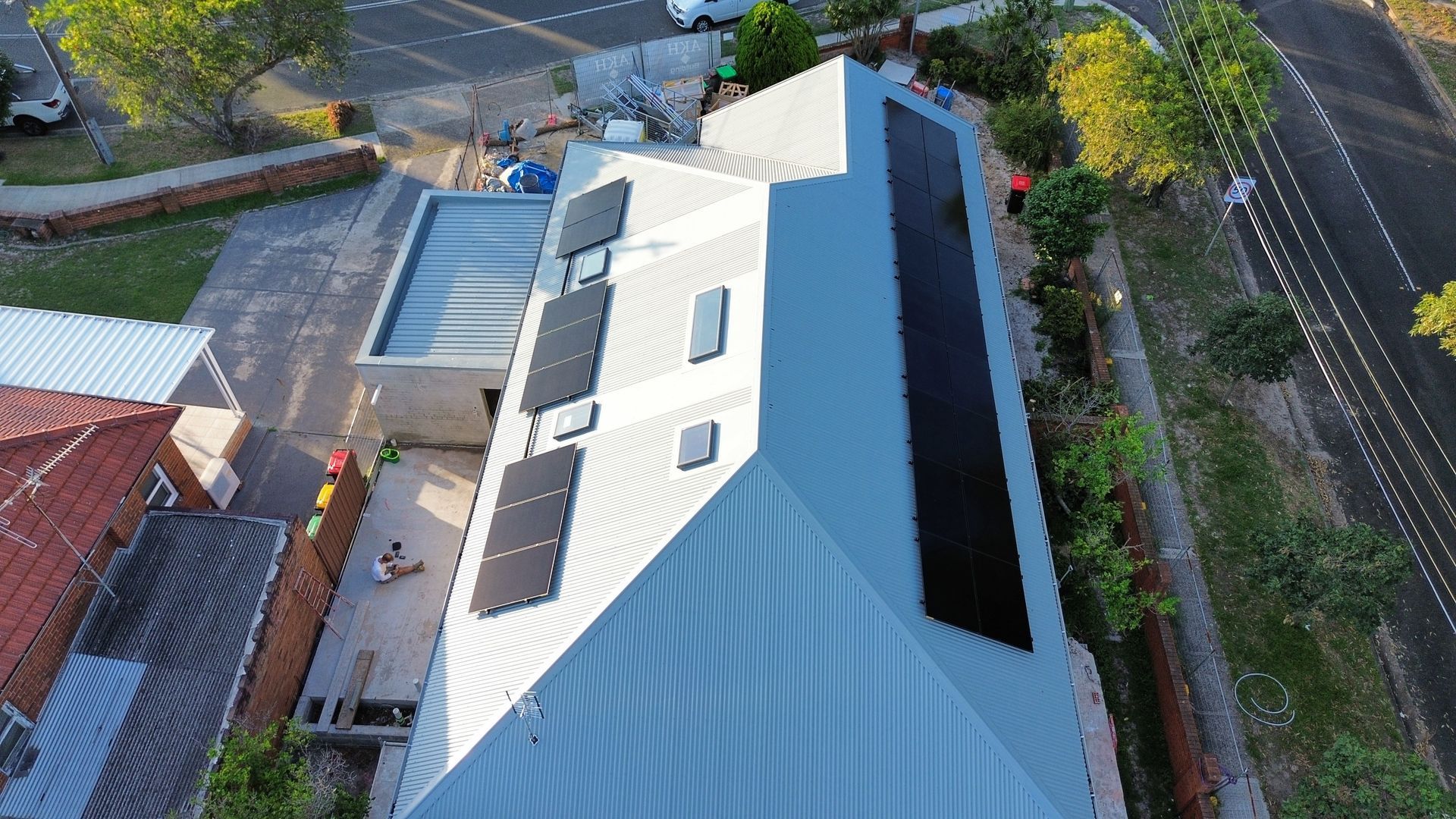
- Panels go on the roof, and an inverter near the switchboard converts the power they produce into usable electricity.
- The system connects to the switchboard and supplies the tenancy's load first. Any surplus is exported to the grid, and the retailer credits a feed-in tariff to whoever holds the electricity account.
- The building owner controls the roof and the main electrical infrastructure. The tenant usually holds the electricity account and pays the bills. The network and retailer handle metering and export arrangements.
- Solar produces power during daylight hours, which is exactly when cafés, gyms, clinics, offices and light industrial sites use most of their energy.
Where there are several tenants, such as in a mixed-use building or business park, the metering has to reflect who the solar power is for, whether that's one tenancy, the common areas or a shared arrangement.
Benefits of Solar for Commercial Tenants in Leased Premises
If you lease a shop, clinic, warehouse or office, solar can help in a few ways.
- Lower power bills. Solar offsets the power you'd otherwise buy from the grid during business hours. A café trading from early morning to mid-afternoon, for example, lines up well with solar production.
- Feed-in credits. If the account is in your name, credits for exported power go on your bill, although using the power on site is usually worth more.
- Some protection from price rises. Every kilowatt-hour you generate and use yourself is one you don't buy at retail rates.
- Sustainability credentials. On-site solar is a visible commitment that customers and staff increasingly notice.
A word of caution: tenants need the owner's written consent before any solar work starts. A poor installation can cause roof and electrical problems, so use a licensed, insured, SAA-accredited installer.
Why Landlords Should Consider Solar on Their Rental Property
For owners of strip shops, suburban offices and industrial units, solar is becoming part of a competitive offer.
- More appealing tenancies. Lower running costs make a property more attractive, and that can help with vacancies and longer leases.
- Recovering the cost. Even when the tenant holds the electricity account, landlords can recover the investment through an agreed rent adjustment or a separate solar charge. Where the landlord pays for common-area power, solar cuts those outgoings directly.
- A long-lived building improvement. A well-installed system becomes part of the building's appeal to future tenants.
- Ownership and control. When the landlord pays for the system, the landlord owns it from day one.
- Roof protection. Many owners have conditions about roof penetrations, mounting methods and roof warranties, and the installation needs to respect them.
- Tax and rebates. Get independent tax advice on depreciation and GST. We don't give tax or legal advice.
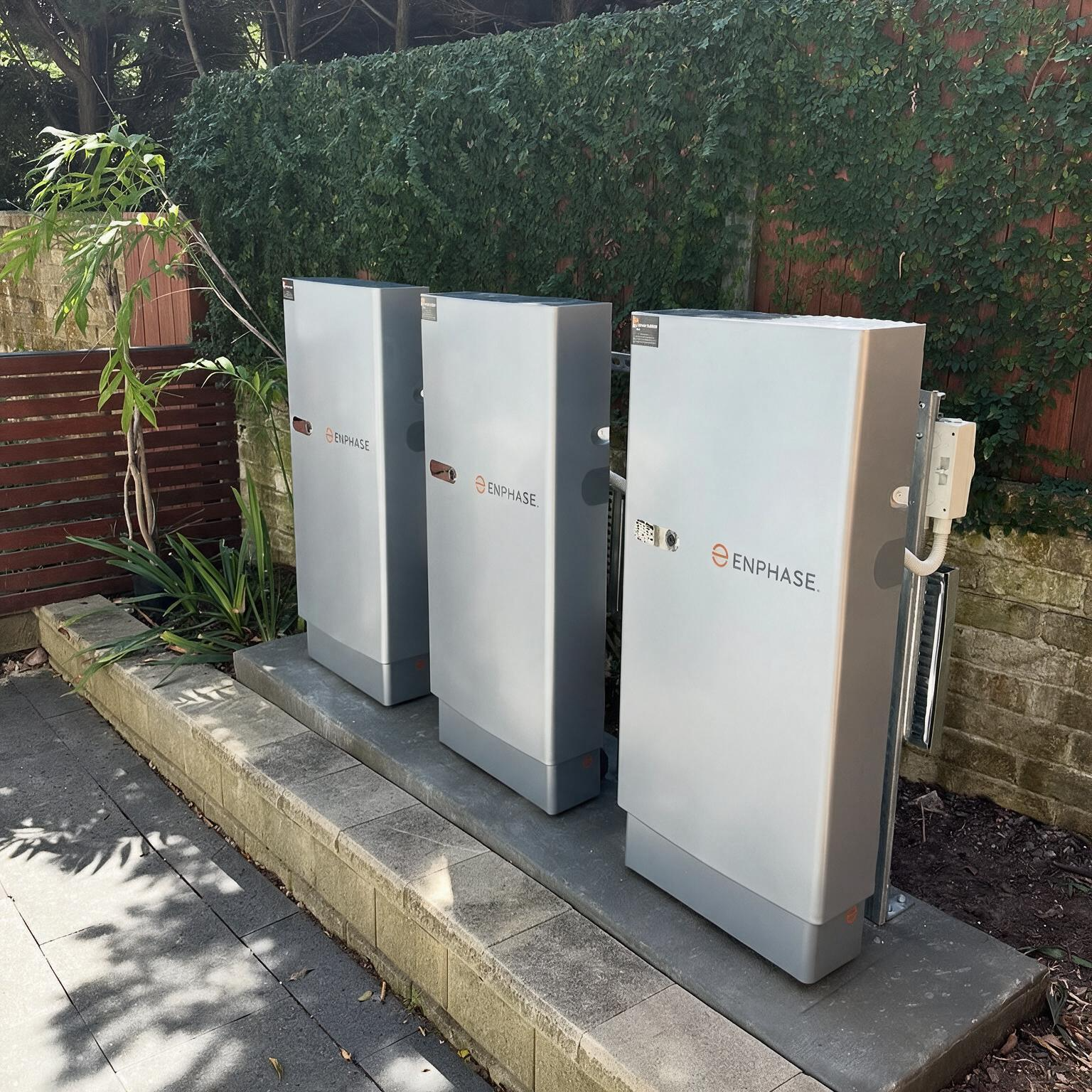
If you're weighing up storage for a business site as well, our article on the NSW BESS4 battery incentive for Northern Beaches businesses explains how that program works.
Dealing with the Split Incentive: Sharing Costs and Benefits
The split incentive is the main reason solar stalls on leased premises. The landlord funds the installation, but the tenant's bills are what go down. Without an agreement, the landlord has no direct way to recover the cost. Common ways to solve it include:
- A rent adjustment smaller than the savings. The landlord funds the system and applies a modest rent increase that's less than what the tenant saves on power, so both sides come out ahead.
- A solar usage charge. Where the rules allow, the landlord charges the tenant for solar power supplied on site.
- Splitting the export credits. The landlord keeps the export value while the tenant benefits from lower bills through self-consumption.
In buildings with several tenancies, the owners corporation or strata body may be able to adopt a building-wide approach. Our article on solar for strata buildings and the SoAR program covers one example of shared solar on multi-occupancy sites.
Whatever structure you choose, write it down. The lease or a side deed should cover who owns the system, who maintains it, how export credits are handled and what happens when the lease ends. This article is general information only, so get independent legal advice for your situation.
Options for Installing Solar on Leased Premises
There are several ways to get solar onto a leased commercial site.
- The landlord commissions and owns the system. The owner chooses the installer, pays upfront and agrees with the tenant how the benefits are shared.
- The tenant funds and owns the system. This needs the landlord's consent, a documented agreement, and access for installation and maintenance. The lease term should be long enough for the tenant to see a return.
- A power purchase agreement (PPA). A third party owns the system and sells the power to the business, usually at an agreed rate, so there's little or no upfront cost. A PPA still needs the landlord's consent.
- Roof-space leasing. An energy provider leases the roof and installs a system, and the landlord earns income from the roof space.
- Strata and mixed-use buildings. Commercial lots in strata schemes may need owners corporation approval. A system can be dedicated to one lot or supply common areas such as car parks and lighting.
The technical side matters too. Leased premises often come with roof access restrictions, shared switchboards, limited spare supply capacity, or visual constraints on street-facing roofs in centres like Manly or Avalon. Commercial systems also need approval from the local network before connection. Because we do Level 2 electrical work in-house, metering and supply upgrades in older commercial buildings don't hold the job up waiting on a second contractor.
Solar Rebates, Feed in Tariffs and Programs for Rental Properties
Rebates, incentives and rental programs change often and vary between states, so always check current NSW and federal government information before relying on any offer. A few general points:
- Small-scale Technology Certificates can reduce the upfront cost of eligible systems installed by an accredited installer. Larger commercial systems may fall under different rules, so check which applies to your site.
- Feed-in tariffs in NSW are well below what businesses pay for grid power. The main saving for any tenant comes from using solar on site during trading hours rather than exporting it.
- Targeted programs for rentals and multi-occupancy buildings come and go, so watch official government and clean energy sources for new offers.
We handle the grid connection paperwork for the systems we install. Checking eligibility and applying for any rebate or program remains the property owner's or tenant's responsibility.
Practical Steps for Commercial Tenants Considering Solar
- Know your usage. Twelve months of power bills show your load profile and whether most of your energy is used during daylight.
- Read your lease. Check for restrictions on roof penetrations, plant on the roof and electrical alterations.
- Approach the landlord with a proposal. Show the benefits for both sides: lower operating costs for you and a more attractive asset for them.
- Get a professional site assessment. A local installer can check roof suitability, switchboard capacity and a realistic system size.
- Agree on maintenance. Document who arranges inspections and repairs, and allow access for them over the life of the system.
- Weigh up your lease term. A short lease with no option makes a large tenant-funded system hard to justify. A longer lease or renewal option makes the case much stronger.
Working With Power & Solar Group on Leased Commercial Projects
We're licensed, insured and SAA-accredited, led by founder Kieran Garside, who has over 10 years' experience designing and installing solar for Northern Beaches homes and businesses.
- We handle the site assessment, a system design tailored to the premises, and any in-house Level 2 electrical work for metering or supply upgrades.
- Our plain-English quotes set out the equipment, warranty terms and accreditation upfront, so landlords and tenants can both see exactly what they're agreeing to.
- You can find out more about system sizes, process and incentives on our commercial solar installation Northern Beaches page.
Whether you're a landlord, strata manager or commercial tenant anywhere from Manly to Palm Beach, call us on 1300 438 797 to arrange a free site assessment.
FAQs: Solar for Leased Commercial Premises
Who owns the solar system at the end of the lease?
That depends entirely on the agreement. Often the landlord owns the system from the start. Where a tenant pays for it, the lease or side deed should say whether the tenant can remove it, must sell it to the landlord or leaves it in place, and what make-good obligations apply. Agree on this before installation and have it documented by a solicitor familiar with commercial leasing.
Can multiple tenants in the same building share one solar system?
It can be done. Common approaches include powering common areas, or allocating solar to different tenancies through approved metering arrangements. It can get complex and may need owners corporation approval and specialist metering design, so involve an experienced installer and your legal or energy advisers early.
Will solar installation disrupt my business?
Usually very little. Noisy work can often be scheduled outside trading hours, and there'll be brief planned power shutdowns when the system is connected at the switchboard. Tell your installer about trading hours, refrigeration and any critical equipment early so the shutdowns can be planned and communicated well in advance.
What happens if I move out before the solar system has paid for itself?
If the landlord owns the system, it simply stays with the building for the next tenant. If the tenant owns it, the options include a payout by the landlord, transferring it to the incoming tenant, or removing it where the lease requires make-good. Deal with this risk up front, and consider the lease length and renewal options when you size and fund the system.
Does installing solar change my insurance requirements?
It may. Property and business policies may need updating to cover panels and inverters on the premises, so both landlords and tenants should speak to their insurers before installation. Insurers may ask for evidence of a compliant installation by a licensed, accredited installer, which Power & Solar Group provides with every system we install.