How to Clean Solar Panels Safely in Coastal Conditions

Power & Solar Group • October 21, 2026

Solar panels on Sydney's Northern Beaches have to cope with salt spray, bird droppings and airborne sand that most inland systems never see. At Power & Solar Group, we work on coastal homes from Manly to Palm Beach, and the question of how to clean solar panels comes up a lot. This guide covers how to do it safely, how often to do it, what to avoid, and when to leave it to a professional.

Key Takeaways

  • For most Northern Beaches homes, we recommend a gentle fresh-water wash every 6 to 12 months, plus an annual inspection.
  • Salt film, bird droppings and grime block sunlight and reduce output, especially on flat or low-angle panels.
  • Safety comes first. Stay off the roof, and leave steep, high or hard-to-reach arrays to someone with the right training and equipment.
  • Use soft tools, plain water and, only if needed, a little mild dish soap. Never use a pressure washer or harsh chemicals.

Why Clean Solar Panels in Coastal Areas Like the Northern Beaches

Onshore breezes carry a fine salty mist that settles on your panels day after day. Over time it leaves a film that cuts the amount of sunlight reaching the cells. Dust, bird droppings, pollen and road grime do the same. Heavy, stubborn soiling over part of a panel can also cause localised hot spots, where blocked cells run hotter than the rest.

Common local culprits include:

  • Salt mist, especially after a run of nor'easters
  • Bird and bat droppings from nearby Norfolk pines and gums
  • Fine sand blown up from the beaches
  • Road grime near busy roads like Pittwater Road and Barrenjoey Road

Rain helps rinse loose dust off tilted panels, but it isn't a full clean. Light coastal drizzle can even leave salt behind as it dries. The good news is that with a sensible routine, cleaning is usually quick and low-effort.

How to Tell When Your Solar Panels Need Cleaning

You rarely need to climb up to check. Look from the ground or an upstairs window for:

  • Built-up grime or streaks
  • Bird droppings
  • A dull, hazy look across the glass

Your monitoring app is the other giveaway. Compare output on clear days with the same time last year. A noticeable drop on bright, cloudless days, with no new shading, often points to dirty panels, although it can also be an inverter or wiring problem.

Keep an eye on low-angle panels over patios, flat sections above garages, and any panels near trees where birds roost. If one string is consistently underperforming compared with the rest, localised soiling is a likely cause.

How Often Should You Clean Your Solar Panels on the Northern Beaches

For most coastal homes, a fresh-water wash every 6 to 12 months is a good rule of thumb. Homes a few streets from the ocean generally need it more often than properties further back in places like Frenchs Forest or Belrose. Roof pitch, tree cover and how exposed the house is to sea breezes all make a difference.

Tying it to an existing routine helps, such as cleaning the gutters or doing your pre-summer maintenance. Clean earlier than planned if you notice a sudden drop in output or the panels look obviously dirty from the ground.

Safety First: When NOT to Clean Solar Panels Yourself

This is the most important section. Don't walk on the roof unless you're trained and equipped for it, and never stand or kneel on the panels. It can cause cracks in the cells that you can't see. Wet panels, tiles and metal roofs are very slippery.

Don't attempt a DIY clean if you have:

  • A steep metal roof
  • A two-storey or multi-storey home
  • Slippery, mossy or fragile tiles
  • A roof exposed to strong coastal winds
  • Panels you can only reach from a tall ladder

Also remember that panels produce DC electricity whenever there's daylight. Anything beyond ground-level reach, or a low and safe single-storey roof, is a job for a professional with the right safety gear and isolation procedures.

Best Way to Clean Solar Panels from the Ground

For many single-storey homes, you can clean the panels without setting foot on the roof. Here's the process we recommend.

1. Shut the system down. Follow the shutdown procedure on the label at your switchboard and solar isolators. Only operate isolators you can reach safely.

2. Gather the right tools. You'll need a long-handled soft brush or microfibre mop on a non-metal telescopic pole, a garden hose with a gentle spray setting, a bucket of clean water, and a soft cloth for any spots within easy reach.

3. Keep the cleaning solution simple. Plain fresh water does the job most of the time. For dried bird droppings or sap, add a small amount of mild dish soap to the bucket, then rinse thoroughly so no soap residue is left. You don't need glass cleaner or any special products.

4. Pick the right time. Clean early in the morning or late in the afternoon, when the panels are cool. Cold water on hot glass isn't a good idea, and soapy water dries too fast in the midday sun. Clean town water is fine for most homes.

5. Clean gently. Wet the surface, loosen the grime with light brush strokes, then rinse from top to bottom with low-pressure water. That's all it needs.

How Panel Tilt and Low Angle Panels Affect Cleaning

Tilt makes a real difference to how clean panels stay between washes.

  • Moderate-pitch roofs: tilted panels shed water and dust better, so if you get regular decent rain, you'll need less manual cleaning.
  • Flat or low-angle panels: panels on flat roofs, pergolas or carports hold puddles and dirt, which often dry into rings and patches. They need cleaning more often.

Near the coast, low-angle panels can collect salt crystals and fine sand that bond to the glass, especially along the bottom edge and lower corners, where grime collects and can cause localised shading.

Professional Cleaning vs DIY: Choosing What's Right for You

A simple ground-level rinse is fine for light maintenance on an easy-to-reach system. Here's a rough guide:

  • Single-storey home with easy hose access: DIY is reasonable.
  • Panels visible and reachable with a long pole: DIY is reasonable.
  • Multi-storey or steep roof: call a professional.
  • Heavy soiling from birds or nearby building work: call a professional.
  • Unsure how to shut the system down: call a professional.

A professional visit also puts trained eyes on the system. A hose from the ground won't show you loose cabling, cracked glass, hot spots, corrosion or failing seals. Check your panel and inverter warranty paperwork too, as some manufacturers set out cleaning and maintenance requirements.

What Not to Do When Cleaning Your Solar Panels

The wrong approach can do more harm than good.

  • Tools to avoid: pressure washers, abrasive scourers, steel wool, stiff brooms, metal scrapers and sharp-edged squeegees.
  • Products to avoid: bleach, ammonia-based cleaners, solvents, strong detergents and anything not suitable for solar glass.
  • Where not to spray: never aim water at junction boxes, isolators or the inverter, or under the panels where connectors and cabling sit.
  • Physical contact: never stand or sit on panels, never pull yourself up using the frames, and never open electrical covers.

If anything feels unsafe, stop and call a professional.

Inspections, Maintenance and When to Call Power & Solar Group

Cleaning is only one part of looking after a system that lives in coastal weather. We recommend an annual inspection on top of regular washing, where a licensed electrician checks for loose terminations, water getting in, UV damage and corrosion on mounting hardware and cabling. After a big storm is a good time to book a check.

We use marine-grade, coastal-rated hardware as standard on new installations and upgrades, which matters a lot close to the ocean. With over 10 years on the Northern Beaches, led by founder Kieran Garside, we know the wear salt air puts on every part of a solar system.

If you've spotted damage or corrosion, or your system isn't performing the way it used to, call us on 1300 438 797. You can also find out more about our coastal-rated systems on our solar panel installation Northern Beaches page.

FAQ: Cleaning Solar Panels on the Northern Beaches

Can rainwater alone keep my solar panels clean in Sydney's coastal climate?

Rain helps rinse loose dust off tilted panels, but salt film, bird droppings and sap usually stick around. Light coastal drizzle can even leave salt behind as it evaporates, so an occasional deliberate fresh-water rinse is still worthwhile.

Is it OK to use bore water or tank water to clean solar panels?

Clean, low-mineral town water is best. Hard bore water and some tank water can leave mineral spots or films on the glass. If tank water is all you have, make sure it's clean and rinse thoroughly to minimise spotting.

Will cleaning my solar panels void my warranty?

Gentle cleaning with soft tools and clean water normally sits comfortably within manufacturer guidelines. Damage from pressure washers, abrasive materials or walking on panels is a different story. Check the paperwork for your panels, and ask your installer if you're unsure.

Can I clean my solar panels while the system is running?

Panels produce DC power whenever there's daylight, so always follow the shutdown instructions on your switchboard and isolator labels before you start. It reduces the risk around cabling and the inverter, and it's standard practice for licensed electricians.

What's the difference between a quick clean and a proper system check?

A quick clean removes grime from the glass. A proper check by a licensed electrician also looks at isolators, wiring, mounting hardware and how the inverter is running. Coastal homes benefit from both: a regular rinse when the panels need it, and an annual inspection to catch corrosion and wear early. If you'd like advice on looking after your system, call Power & Solar Group on 1300 438 797.

Recent Posts

By Power & Solar Group • October 21, 2026
Solar for leased commercial premises explained: who pays, who owns it and how landlords and tenants share savings. A guide for Northern Beaches businesses.
By Power & Solar Group • October 21, 2026
How to charge an EV with solar panels: smart chargers, surplus solar, batteries and everyday tips for Northern Beaches homes getting more from rooftop solar.
By Power & Solar Group • October 21, 2026
The signs your solar inverter needs replacing, from repeat fault codes to falling output and overheating. A practical guide for Northern Beaches solar owners.
By Power & Solar Group • October 21, 2026
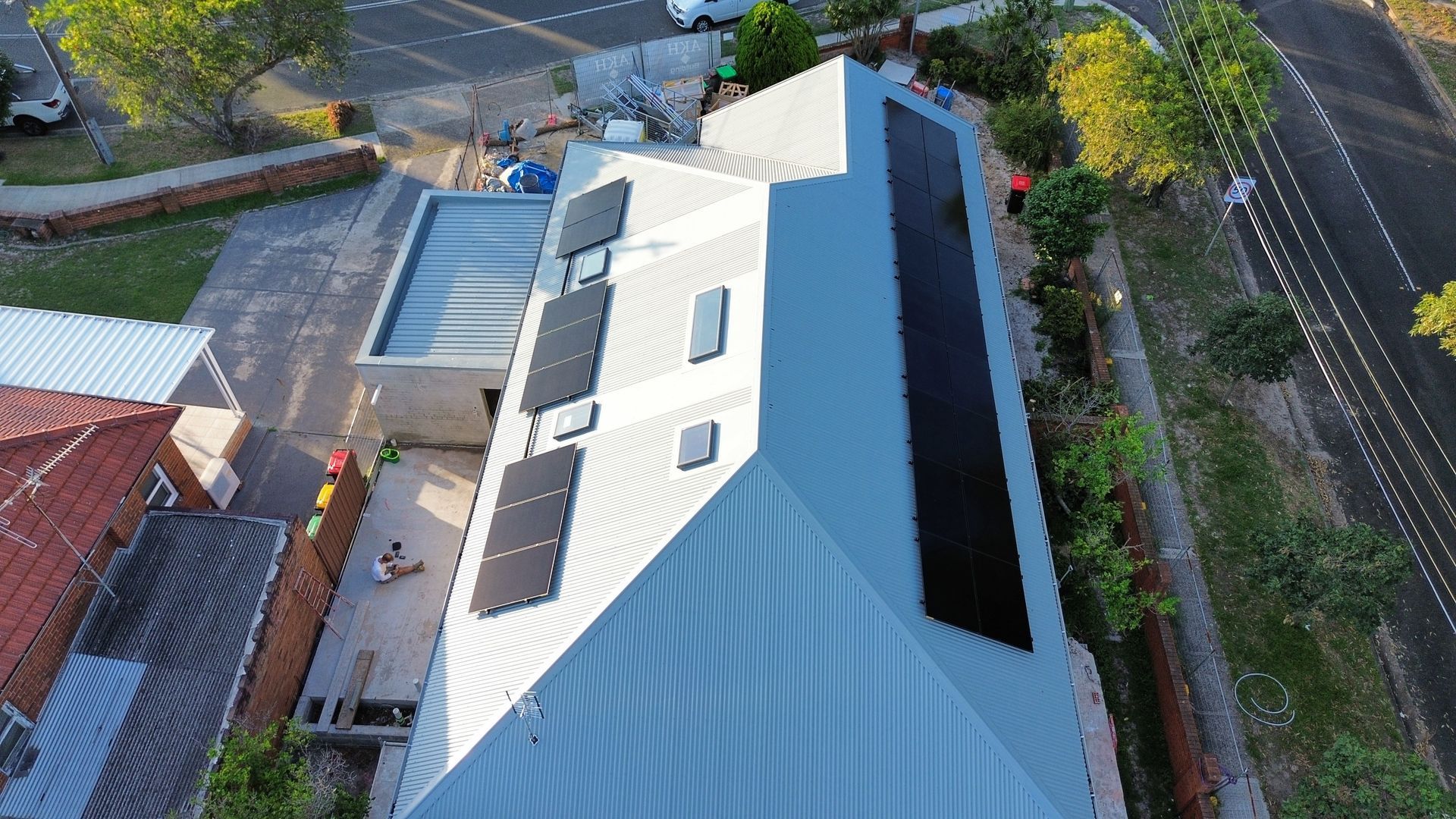
Can I add more solar panels to my existing system? Inverter limits, roof space, Ausgrid approval and upgrade options explained for Northern Beaches homeowners.
By Power & Solar Group • September 22, 2026
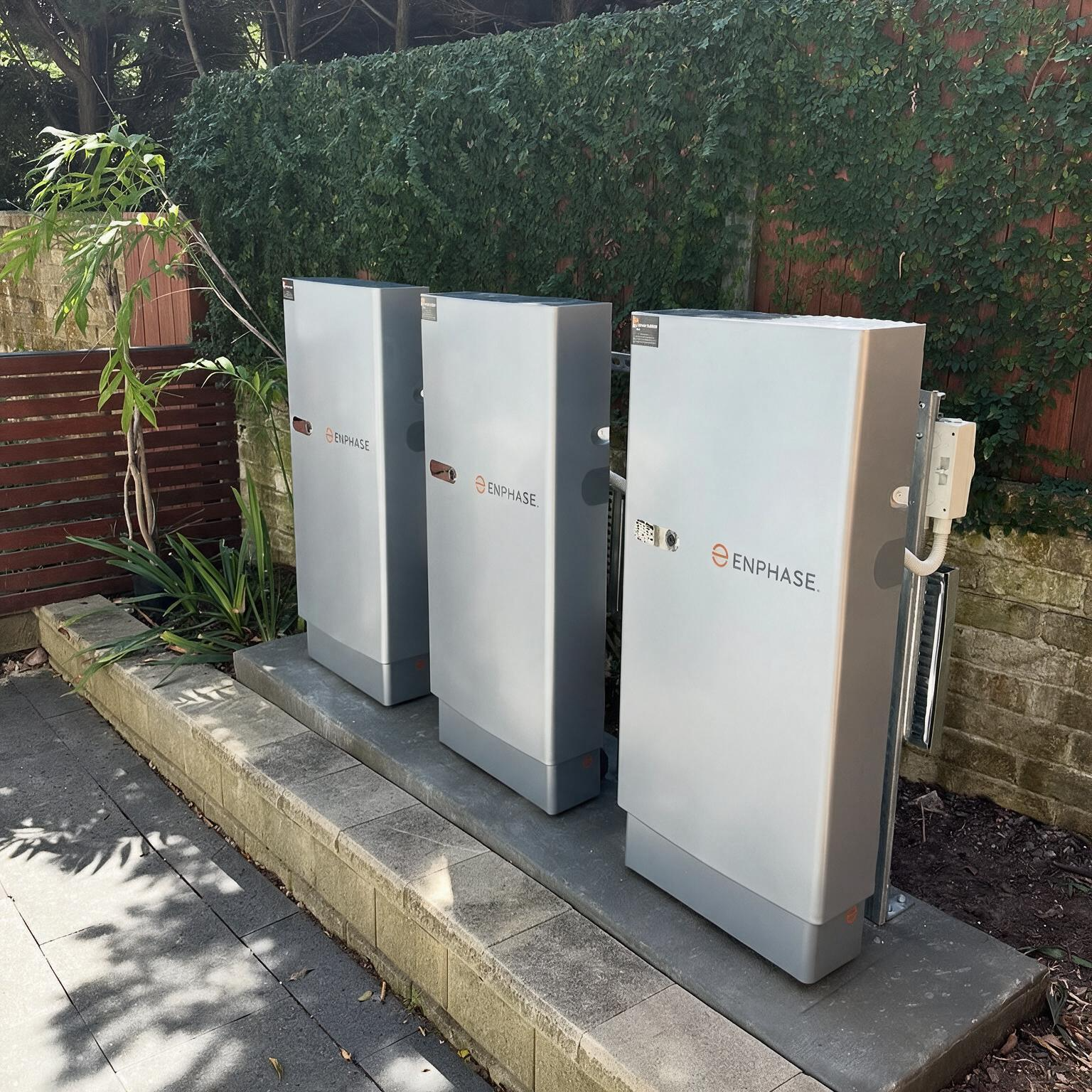
From 1 September 2026, NSW's BESS4 incentive can take 20–40% off a 20–200kWh business battery. Eligibility, rules and stacking, explained for Northern Beaches sites.
Aerial view of a sandy beach, turquoise ocean, and coastal town with roads and green parkland
By Power & Solar Group • August 21, 2026
NSW feed-in tariffs are shrinking fast. Here's why Northern Beaches households recorded the highest battery uptake in NSW, and what it means for your solar return.
White electric car charging at a wall-mounted station in a garage
By Power & Solar Group • August 21, 2026
The federal battery rebate now steps down every six months. Here's what changed on 1 May 2026, real dollar examples, and why waiting costs more.
Aerial view of a coastal city with colorful buildings, rocky shoreline, and turquoise water near a beach
By Power & Solar Group • August 21, 2026
The NSW Solar for Apartment Residents program covers 50% of installation costs for strata buildings, up to $150,000. Applications close 4 December 2026.
Two white electric cars charging in an underground garage with cables and wall-mounted equipment.
By Power & Solar Group • August 21, 2026
The full FBT exemption on electric vehicles is being phased out from April 2027. Here's the timeline, and why the window to lock in current benefits is closing.